Brand voice and UX writing work
A supporting project note about turning product language, brand voice, and UX writing guidelines into practical communication rules for complex analytical products.
Context
Problem
My role
Key challenges
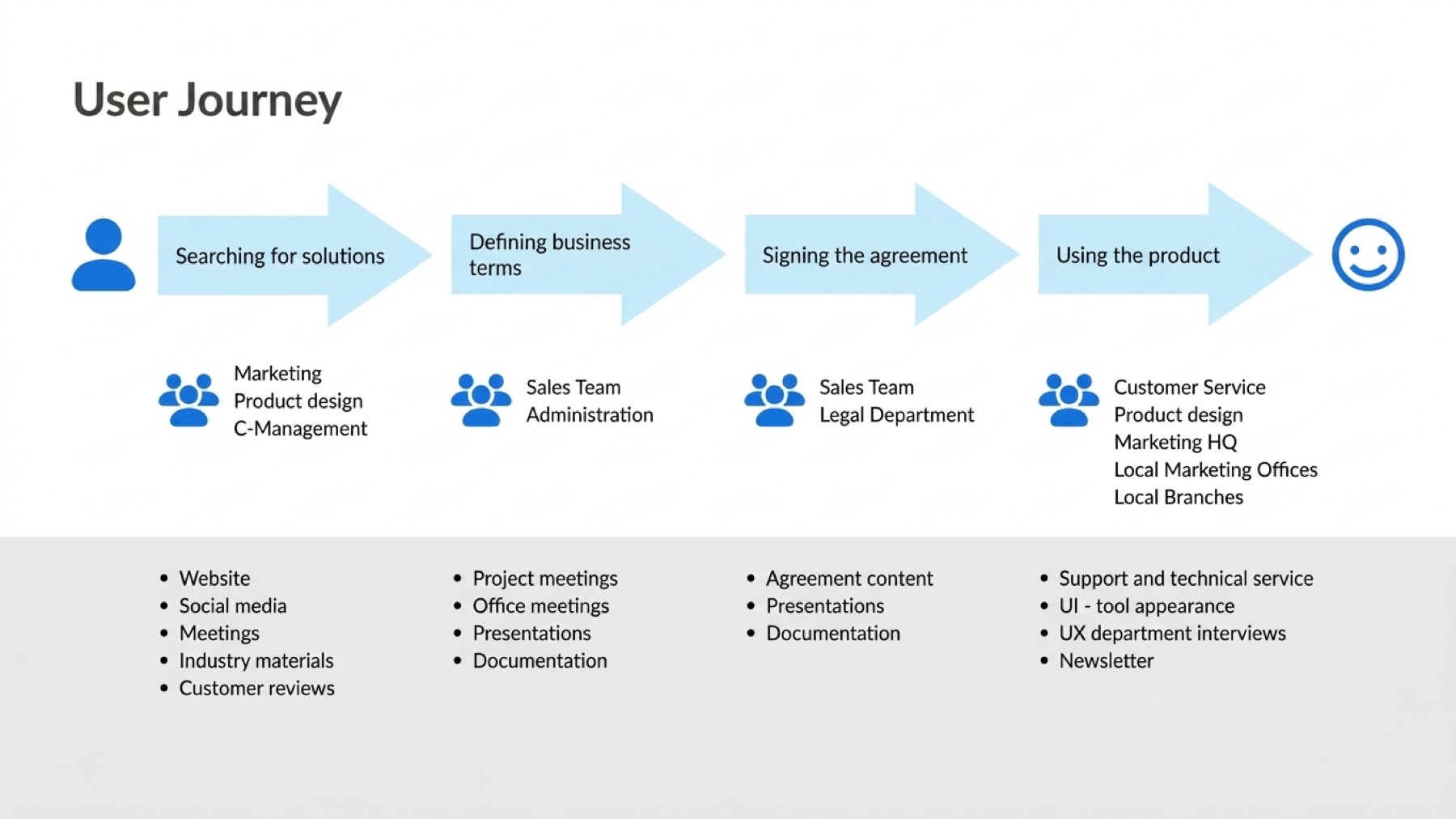
- Mapping how different groups experience the brand across websites, social media, product UI, documentation, emails, support, presentations, and sales conversations
- Turning abstract brand traits into writing principles that teams can actually use
- Balancing expert, data-based communication with clarity and accessibility
- Keeping the voice consistent while adapting tone to audience, channel, and situation
- Creating reusable examples so multiple authors can write in a similar way
Process
What I worked on
Interface and system copy
Labels, buttons, hints, empty states, errors, success messages, verification flows, onboarding, permissions, and transactional communication where users need clear next steps.
Product language and terminology
Consistent names and terms across screens, documentation, emails, and internal communication so users and teams describe the same things in the same way.
Brand voice guidelines
Voice principles, tone sliders, examples, do/don't rules, and communication patterns that make brand language usable in daily product and marketing work.
Data-first communication
Guidance for rankings, charts, comparisons, tables, audience insights, trend posts, and market updates where the message needs to support the data instead of competing with it.
Key design decisions
Brand voice can stay abstract if it only describes personality in broad words.
Translate voice principles into concrete examples, tone choices, and do/don't rules.
Teams need practical guidance they can apply while writing real product messages.
Different audiences need different levels of context, but the brand still needs to feel recognizable.
Separate stable voice from flexible tone and map tone choices to audience, channel, and situation.
The communication can feel consistent without sounding identical in product UI, sales material, documentation, social media, or support.
Analytical products need precise language, but precision can easily turn into jargon.
Use data-first writing rules: clear title, metric, period, source, context, and short takeaway.
Users can understand the message without losing the accuracy needed in analytical or business contexts.
Different teams often write for the same product in slightly different voices.
Treat communication as a shared system across UI, emails, documentation, support, sales, marketing, and internal materials.
Consistency builds trust and reduces the amount of interpretation users and teams have to do.
Solution
Visual evidence
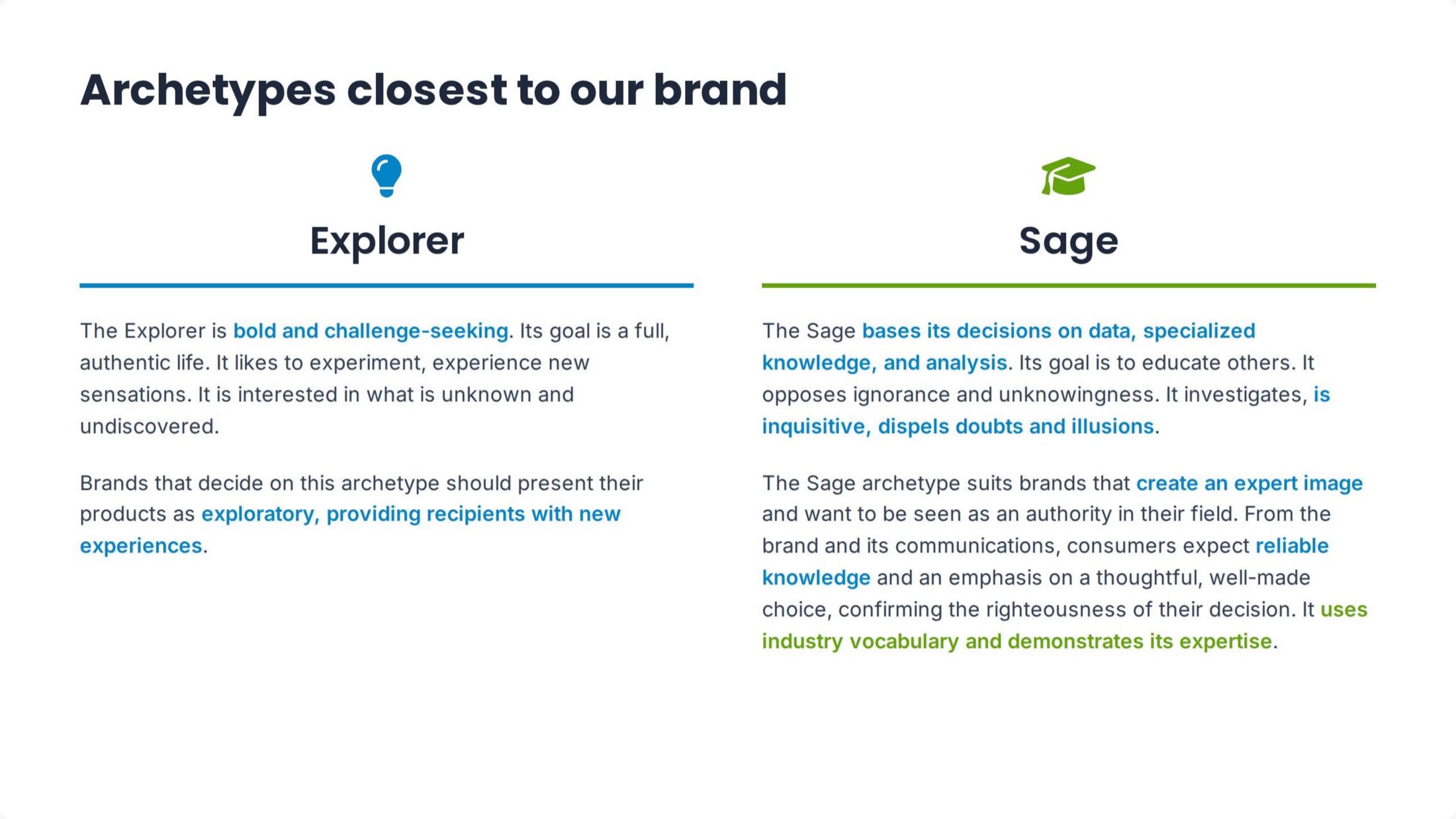
Grounding the voice in brand research
The brand voice direction was connected to research-based archetypes. Explorer supported curiosity and experimentation, while Sage supported expertise, data, and credible knowledge.
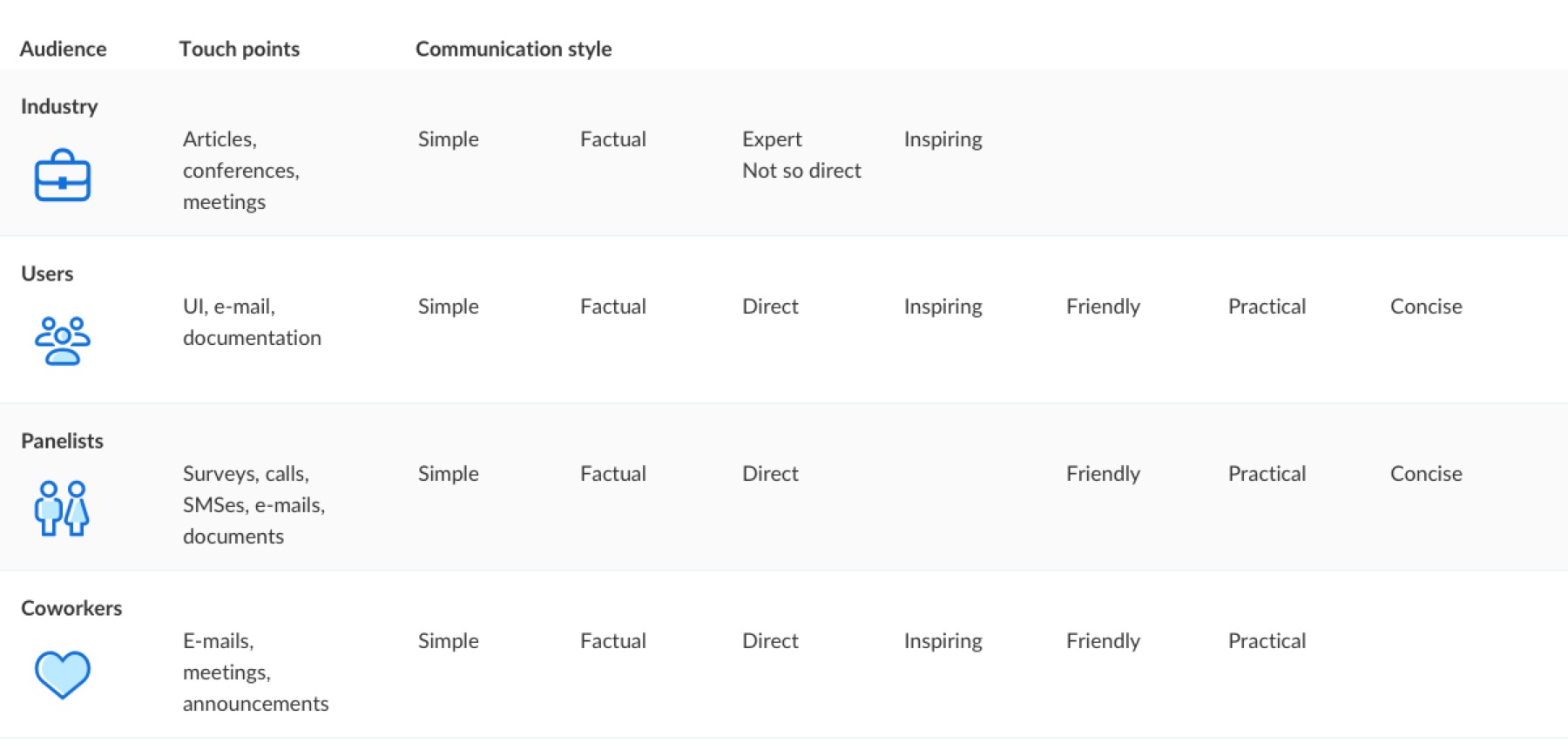
Adapting communication to audience and touchpoint
The guidance mapped audience groups to touchpoints and writing traits, showing how the same brand voice can become more direct, expert, friendly, practical, or concise depending on context.
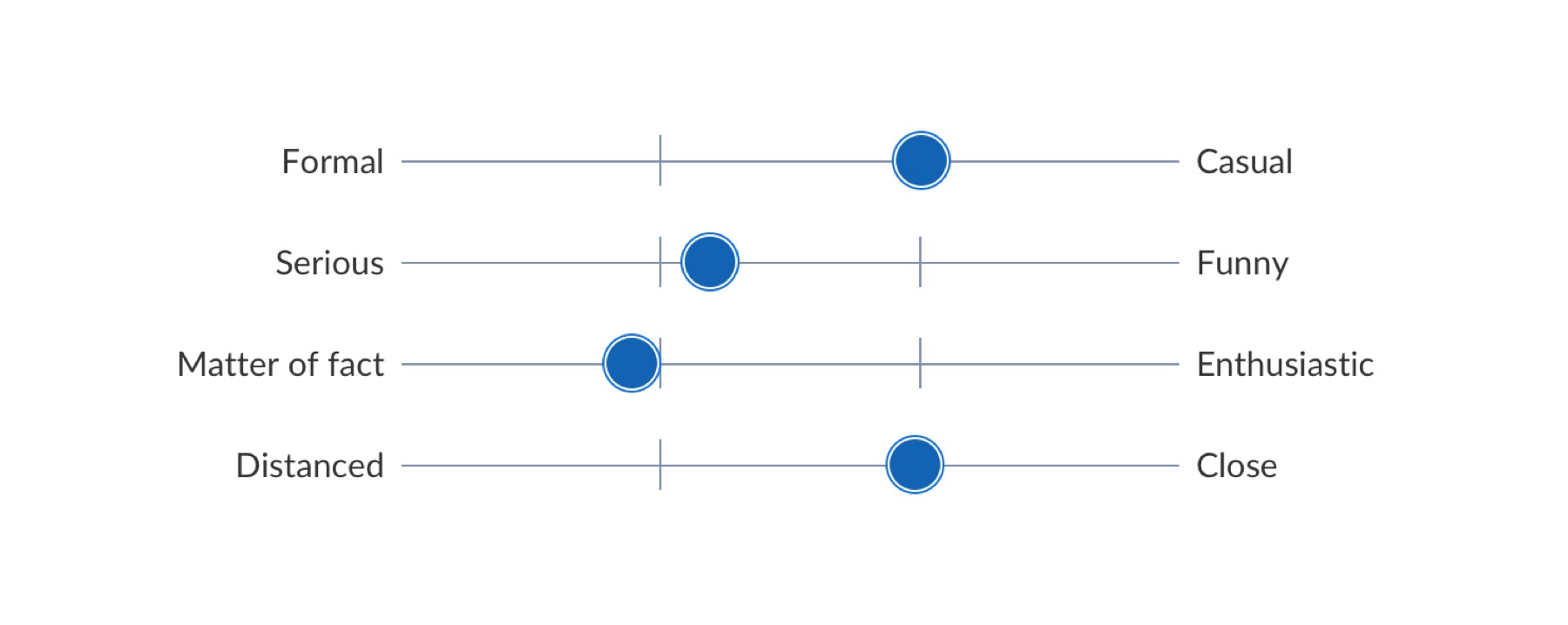
Making the tone range visible
Tone sliders made the desired communication style easier to discuss: more casual than formal, more matter-of-fact than enthusiastic, close but still professional.
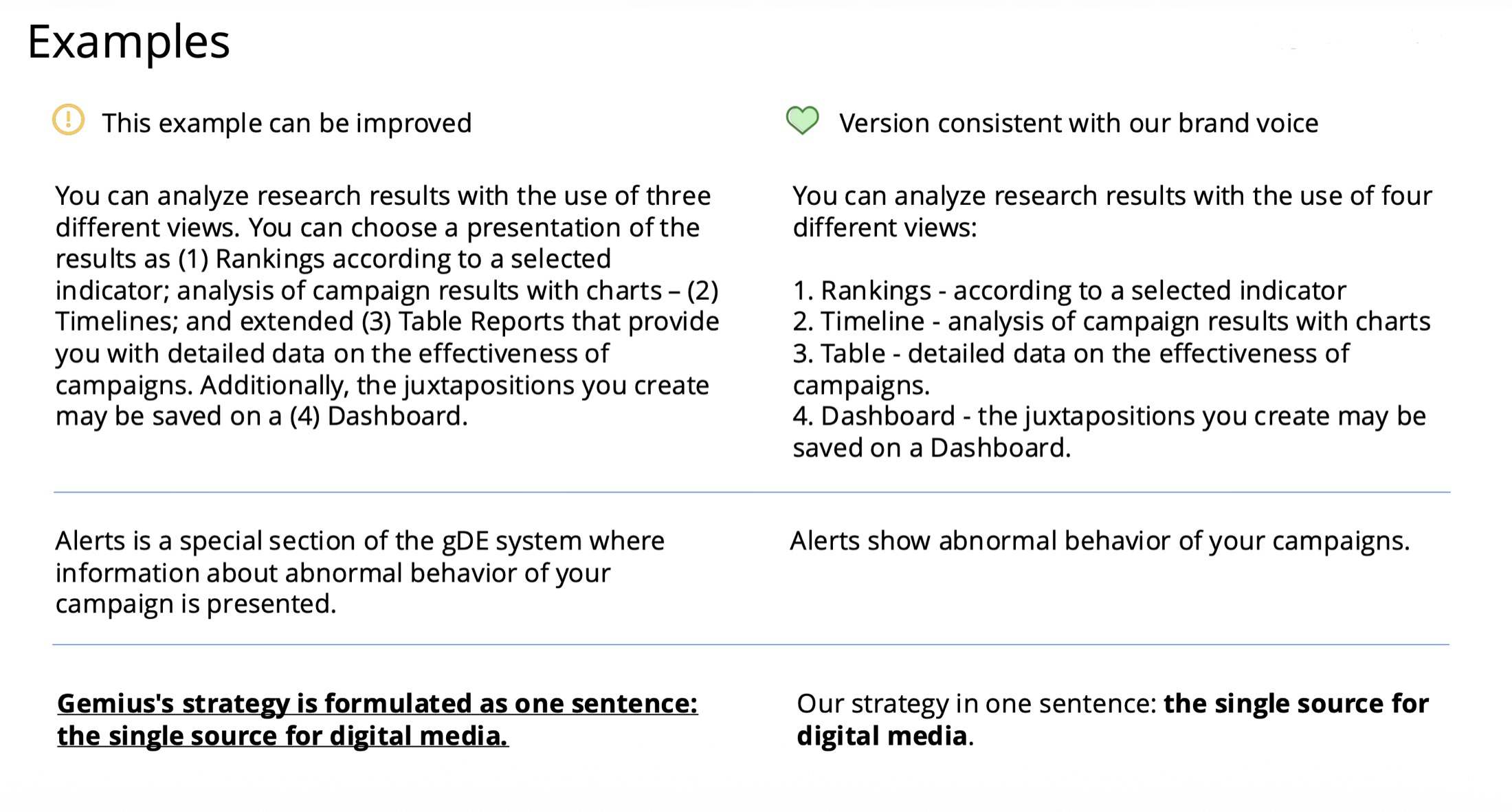
Turning principles into better product copy
The work did not stop at principles. It included concrete before-and-after examples that made complex product and data communication clearer, more structured, and easier to act on.
What this project demonstrates
- UX writing
- content structure
- brand voice thinking
- tone of voice
- terminology decisions
- documentation
- communication clarity
Reflection
Ask the assistant about this project
Hi, I'm Patrycja's AI portfolio assistant. I can help you explore her experience, projects, AI work, UX writing skills, and potential fit for your role or team. You can ask a specific question or paste a job description for a role-fit check.
Please do not paste confidential or sensitive personal information. This assistant sends your question to Google Gemini API free tier and answers from Patrycja's approved portfolio knowledge base. Some details may still need to be confirmed directly with her.